Source Acoustic Guitar for Music, Travel, and Performance
Explore 30 listings of acoustic guitar options with varying sizes from 36 to 41 inches and materials like basswood and mahogany. Buyers can compare customization, body styles, and electronic features to find suitable instruments for adult musicians; compare the available evidence and request quotations based on your requirements.
Key considerations
Products List


Comprehensive Sourcing Guide
Acoustic Guitar Sourcing Guide
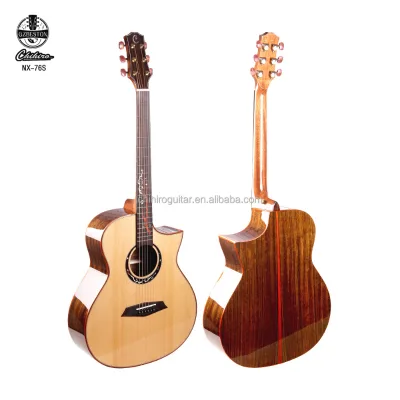
Sourcing acoustic guitars requires careful attention to the specific construction materials and dimensions that define the instrument's tonal character and playability. Buyers must distinguish between solid wood and plywood constructions, as the observed listings frequently specify basswood, mahogany, or linden plywood bodies. These material choices directly influence the resonance and durability of the instrument, necessitating a clear definition of requirements before engaging with manufacturers.
The market offers a diverse range of sizes, from 36-inch models suitable for younger players to 41-inch full-size instruments designed for adults. Procurement teams should verify the exact size specifications against their target demographic, noting that some suppliers offer customization for body shapes like cutaways. Understanding these physical variations is essential for aligning product selection with the intended musical style and user experience.
Product Scope and Observed Listing Signals
The current market landscape for acoustic guitars includes a wide variety of configurations, ranging from standard steel-string models to specialized beginner instruments. Listings indicate that suppliers often provide customization options for branding, allowing buyers to request OEM or ODM services to create unique product identities. This flexibility is particularly valuable for retailers looking to establish private label brands without the overhead of developing proprietary designs from scratch.
Color and finish options are extensive, with observed listings featuring natural, sunburst, black, red, blue, and double black/red combinations. These aesthetic choices allow buyers to cater to diverse consumer preferences and seasonal trends. However, the presence of electronic features like EQ and pickup systems varies by model, requiring buyers to explicitly confirm whether the instrument is purely acoustic or equipped for amplified performance before finalizing orders.
Technical Specifications to Verify
Material composition is a critical verification point, as observed data highlights the use of basswood, maple, rosewood, and mahogany in various combinations. Buyers must confirm the specific wood types for the body, neck, and fingerboard, as these elements determine the instrument's weight, sustain, and tonal warmth. For instance, maple necks paired with rosewood fingerboards are common, but variations exist that could impact the final product's feel and sound quality.
Dimensional accuracy is equally important, with listings showing sizes ranging from 36 to 41 inches. Procurement teams should verify that the stated size matches the physical product, especially when ordering cutaway models or specific series like the AG-4120C. Additionally, the presence of hardware such as die-cast machine heads and adjustable truss rods should be confirmed to ensure the instrument meets professional playability standards and can withstand environmental changes.
Compliance and Safety Documentation
Manufacturers in the observed listings frequently cite ISO9001 as a standard for their production processes, indicating a commitment to quality management systems. While this certification suggests a structured approach to manufacturing, buyers should request current certificates to verify that the specific factory maintains these standards during the production of their order. Relying solely on general claims without documented proof can lead to inconsistencies in product quality across different batches.
Safety and material compliance are also essential, particularly regarding the finishes and adhesives used in guitar construction. Although specific chemical standards are not detailed in the provided data, buyers should ensure that all materials, including the ABS binding and linden plywood, meet international safety regulations for musical instruments. This verification helps prevent potential health hazards and ensures the product is safe for use by musicians of all ages, including adults and beginners.
Cost Drivers and Commercial Terms
Pricing in the acoustic guitar market is influenced by material costs, labor intensity, and the level of customization requested. The observed price range spans from approximately $11.70 to $215, reflecting the difference between basic plywood models and more premium constructions. Buyers must analyze the cost structure to understand how factors like wood type, finish complexity, and electronic components drive the final unit price.
Minimum Order Quantities (MOQs) vary significantly, with observed ranges from 1 to 120 units, offering flexibility for both small startups and large distributors. However, the specific MOQ for a custom order may depend on the complexity of the design and the supplier's production capacity. Negotiating favorable terms requires a clear understanding of these thresholds and the potential for volume discounts as order quantities increase beyond the baseline requirements.
Supplier Qualification and Quality Control
Geographic origin plays a significant role in the supply chain, with major production hubs identified in Tianjin and Guangzhou, China. Buyers should assess the logistical capabilities of suppliers in these regions, considering factors like port access and export experience. The presence of established ports like Tianjin suggests a mature infrastructure for handling international shipments, which can streamline the delivery process and reduce transit times.
Quality control protocols must be rigorously defined, especially when dealing with OEM or ODM arrangements. Buyers should implement pre-shipment inspections to verify that the finished guitars match the agreed-upon specifications for materials, dimensions, and finish quality. Establishing clear acceptance criteria and communication channels with the supplier ensures that any deviations are identified and corrected before the products leave the factory.
Long-Term Procurement Checks
Building a sustainable supply chain requires ongoing monitoring of supplier performance and product consistency over time. Buyers should track key metrics such as defect rates, delivery reliability, and responsiveness to quality issues to ensure that the partnership remains productive. Regular audits and feedback loops help maintain high standards and foster a collaborative environment where both parties can address challenges proactively.
Market trends and consumer preferences in the acoustic guitar sector are dynamic, necessitating a flexible procurement strategy. Suppliers that offer customization and adaptability are better positioned to meet evolving demands, such as new color trends or changes in instrument specifications. Maintaining open communication with suppliers allows buyers to anticipate market shifts and adjust their inventory strategies accordingly, ensuring long-term competitiveness in the marketplace.
FAQs
What materials are used for the guitar body?
The guitar body is constructed from basswood or plywood, with some models featuring mahogany or linden plywood with maple flame. These materials provide a balanced tone and durability suitable for various playing styles and acoustic performance requirements.
Which sizes are available for these acoustic guitars?
Available sizes include 36-inch, 38-inch, 40-inch, and 41-inch models to suit different player preferences. Buyers can select specific dimensions based on their ergonomic needs or target audience, ensuring a comfortable fit for both beginners and experienced musicians.
Can I request custom colors for the guitar finish?
Yes, customization is available with options including nature, sunburst, black, red, blue, and double black/red finishes. OEM and ODM services are welcome, allowing buyers to tailor the aesthetic appearance of the instrument to match specific brand identities or market trends.
What is the standard packaging for export orders?
Products are packed in plastic bags, inner boxes, and export carton boxes to ensure safe transit. Some items may also use standard carton boxes, providing robust protection against damage during shipping while maintaining the integrity of the instrument upon arrival.
Are electronic components installed on these acoustic guitars?
Electronic systems like EQ and pickups can be installed as requested by the buyer. This flexibility allows for the creation of hybrid instruments suitable for live performances or recording, adapting the acoustic guitar to modern amplification needs without compromising its natural sound.
Which certifications do the manufacturers hold?
Manufacturers adhere to ISO9001 standards to ensure consistent quality control and production reliability. This certification indicates that the production processes meet international requirements for quality management, providing buyers with confidence in the consistency and safety of the supplied musical instruments.
What is the origin location for these guitars?
The products originate from major manufacturing hubs in China, specifically Tianjin and Guangzhou. These locations are known for their established supply chains and expertise in producing high-quality stringed instruments, facilitating efficient logistics and reliable delivery schedules for international buyers.